Indonesia 3D Paper Cut Light Box Review
As a designer who constantly bridges the gap between digital cutting files and textile arts, I approach every new asset with a specific question: how does this translate to thread? When I first opened the Indonesia 3D Paper Cut Light Box files, my immediate reaction was not about paper crafting, but about the incredible potential for mixed-media embroidery. While this product is categorized under Shadow Boxes and marketed as a 3D SVG for cutting machines like Cricut or Silhouette, an experienced eye sees something else entirely. I see a roadmap for high-end appliqué design, intricate running stitch art, and layered textile projects that stand out in a saturated market.
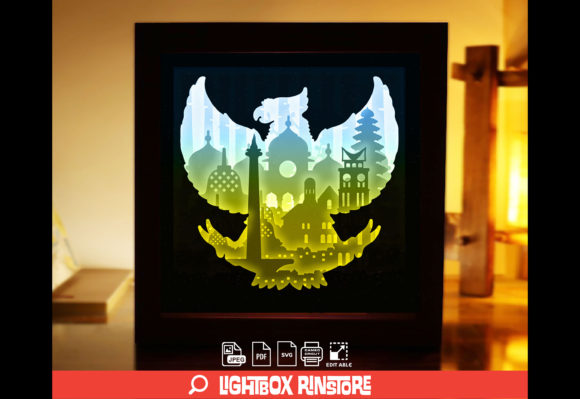
The visual personality of this design is distinct. It carries the intricate, lace-like quality traditional to Indonesian paper cutting, characterized by delicate negative space and rhythmic geometric patterns. For an embroidery digitizer or creative entrepreneur, this aesthetic is gold. It moves away from the chunky, dense fill stitches that can make garments stiff and instead offers a blueprint for airy, sophisticated stitching. The mood is cultural yet modern, making it an ideal candidate for boutique products where craftsmanship needs to be visible at a glance.
Translating Vector Lines to Stitch Reality
In a recent client project, I was tasked with creating a premium tote bag design for a cultural heritage festival. The client wanted something that felt authentic but durable enough for daily use. This is where the Indonesia 3D Paper Cut Light Box proved its worth as a hybrid asset. Because the file includes SVG and JPG formats, I could import the vector lines directly into my embroidery software to create a custom machine embroidery design without having to manually trace complex artwork.
However, translation requires adaptation. Paper cuts rely on physical connections to hold the design together; embroidery relies on thread tension and fabric stability. I treated the SVG layers as guides for a multi-layer appliqué design. Instead of cutting paper, I used the vectors to place lightweight cotton fabrics, securing them with precise running stitches before adding decorative satin stitch borders. The result was a tote bag that mimicked the depth of a shadow box but remained flexible and washable. For Etsy sellers and small shop owners, this ability to adapt a digital cutting file into a unique embroidered patch or apparel graphic creates a product line that competitors using standard stock designs simply cannot match.
Ideal Applications for Creative Entrepreneurs
This design asset shines brightest when you leverage its intricacy for specific handmade products. Based on my testing, the Indonesia 3D Paper Cut Light Box performs exceptionally well in the following commercial and personal contexts:
- Custom Apparel and Sweatshirt Embroidery: The open nature of the design prevents the "bulletproof vest" effect on sweatshirts. Using the SVG as a template for light fill stitches creates a garment that drapes naturally while showcasing detailed cultural artistry.
- Nursery Decor and Baby Embroidery: The soft, rhythmic patterns are perfect for baby blankets or pillow covers. By converting the sharp paper-cut lines into softer satin stitches, you maintain the visual complexity without creating rough textures against sensitive skin.
- Holiday and Wedding Gifts: As a personalized gift, this design carries significant perceived value. Whether stitched onto a linen tea towel or framed as a standalone textile art piece, the intricacy signals hours of labor and thoughtful design selection.
- Digital Product Previews: For those selling finished goods online, the included JPEG files serve as excellent bases for printable mockups. You can overlay your stitch simulations onto the high-resolution image to show customers exactly how the final embroidered patch or custom apparel will look before you even hoop the fabric.
Critical Considerations for Fabric and Hoop Size
While the aesthetic is stunning, practical execution demands caution. Not every fabric can support the level of detail inherent in the Indonesia 3D Paper Cut Light Box. During my review process, I noted several limitations that craft business owners must respect to avoid production failures.
First, consider your hoop size carefully. Designs derived from paper cut templates often have expansive footprints. If you attempt to shrink this design down to fit a small 4x4 hoop, the internal details will become muddy, and registration marks may fail. Always check the original dimensions of the SVG and plan your embroidery project around a hoop size that preserves the integrity of the smallest elements. If your machine limits you to smaller areas, segment the design rather than distorting it.
Fabric texture is equally critical. This design relies on clean lines and defined negative space. Highly textured fabrics like terry cloth or loose-weave linens can swallow the fine running stitches, causing the visual impact to disappear. I recommend smooth, tightly woven substrates such as quilting cotton, denim, or canvas for the best results. Additionally, avoid stretchy knits unless you are using a heavy-duty stabilizer and a ballpoint needle; the density of the design, even when adapted for thread, can cause puckering on unstable fabrics.
Be particularly mindful of dark fabrics. Paper cut designs are often optimized for backlit presentation or white paper contrast. When stitching on black or navy material, ensure your thread colors provide sufficient contrast. A test stitch-out on scrap fabric is non-negotiable here. What looks vibrant on a screen may vanish on dark cloth. Furthermore, verify the licensing terms included with your download before listing any finished product or digital embroidery file for sale. Understanding whether you have commercial rights for the adapted design protects your business and respects the original creator.
Elevating Brand Value Through Technical Precision
Using a specialized asset like the Indonesia 3D Paper Cut Light Box does more than just produce a pretty item; it elevates your professional reputation. Customers and clients recognize intentionality. When they see a design that clearly respects the source material while being expertly adapted for textiles, it builds trust. It shows that you are not merely pushing a button, but curating and engineering a handmade product.
For apparel decorators and boutique branding, this level of detail serves as a differentiator. In a marketplace flooded with generic clip art, a design rooted in specific cultural aesthetics and executed with technical precision commands higher price points. It transforms a simple embroidered patch or tea towel into a collectible piece of art. The clarity of the stitching, achieved by respecting stitch density and proper stabilization, ensures the product lasts, leading to repeat customers and positive reviews.
Designer Notes for Successful Implementation
Before you begin your next embroidery project with this asset, keep these practical tips in mind to ensure professional results:
- Verify File Compatibility: The package includes SVG, PDF, and JPEG files. Confirm which format your embroidery software imports most cleanly for digitizing. Vector SVGs usually offer the best node control for converting to stitch paths.
- Test Stitch Density: Paper cut lines are uniform; embroidery requires variable density. Adjust your fill stitches and satin columns to prevent fabric distortion. Less is often more when adapting paper art to thread.
- Stabilizer Selection: Given the potential span of the design, use a high-quality cut-away stabilizer for apparel and a tear-away for stable home decor items. Do not skimp on support.
- Mockup Strategy: Utilize the included JPEGs to create realistic digital previews. This helps validate market interest before you consume materials on sampling.
- Thread Color Planning: Map out your thread colors against the intended fabric background. Use high-contrast threads for the primary structural lines and tonal threads for background fills to mimic the depth of a real shadow box.
The Indonesia 3D Paper Cut Light Box is a versatile tool for the maker who understands that boundaries between mediums are fluid. By treating this 3D SVG not just as a paper craft template but as a foundational design asset for textiles, you unlock a realm of creative possibilities that can define your brand’s unique voice. Approach it with technical respect, test thoroughly, and let the intricate beauty of the design elevate your embroidery portfolio.