101 Ninja 3D SVG for Shadow Boxes Review
Evaluating the Commercial Viability of This Ninja Graphic Design Asset
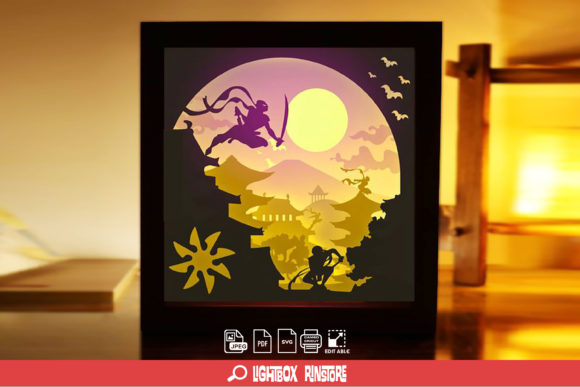
As a digital product creator constantly scouting for assets that can drive sales in a saturated marketplace, my first impression of the 101 Ninja 3d Paper Lightbox Template was one of focused versatility. In the realm of shadow boxes and layered paper crafts, finding a design that balances intricate detail with clean cut lines is rare. This asset immediately presents itself as a playful yet commercially viable option for sellers targeting the nursery decor, martial arts enthusiast, and Asian-inspired aesthetic niches. It does not feel overly cartoonish to the point of alienating adult crafters, nor is it so severe that it loses appeal for children’s room decor. For an Etsy seller or creative entrepreneur, this specific mood suggests strong potential for both standalone digital downloads and physical finished products.
The technical foundation of this graphic design asset is robust for commercial application. The file package includes SVG files, PDF files, and JPEG files, which covers the essential bases for diverse customer needs. Crucially, the SVG and JPG files offer native support for Cricut Maker and Silhouette machines, eliminating the need for customers to convert formats manually. The specification for 170g-220g paper weight is a significant selling point; it indicates the design has been tested for structural integrity in 3D layering. When evaluating this as a printable design for my own shop, I appreciate that the printer setup requires "actual size" mode, reducing customer support tickets regarding scaling issues. This attention to technical detail signals a high-quality commercial design ready for immediate deployment.
Strategic Product Applications Beyond Basic Shadow Boxes
While the primary function of the 101 Ninja 3d Paper Lightbox Template is clearly defined, experienced sellers know that maximizing ROI requires repurposing assets across multiple product types. This 3D SVG serves as an excellent foundation for a broader design bundle. Beyond the traditional lightbox, the individual layers can be isolated to create unique sticker designs for planner enthusiasts or scrapbooking kits. The bold silhouette of the ninja works exceptionally well for sublimation design on tumblers and mugs, particularly for martial arts studios looking for custom merchandise or parents seeking personalized gifts for young athletes.
For those operating in the print-on-demand space, this illustration translates effectively to t-shirt design and tote bag prints. The vector nature of the SVG ensures that whether you are printing a small chest logo or a large back print, the edges remain crisp. I also see significant value in adapting this asset for Canva template creation. By converting the layers into transparent PNG designs, you could offer editable social media graphics for dojo promotions or themed party invitations. This flexibility transforms a single shadow box template into a comprehensive commercial license asset library, appealing to small business branding efforts and handmade business owners alike.
Optimizing Listing Images and Visual Hierarchy
In the competitive landscape of creative marketplace listings, your thumbnail determines your click-through rate. The 101 Ninja 3d Paper Lightbox Template offers distinct advantages for product presentation. Because it is designed for depth, it naturally creates visual hierarchy in mockup previews. When photographing or rendering this digital product, the interplay of light and shadow provides an inherent sense of premium quality that flat clipart often lacks. This perceived value is crucial for justifying higher price points on Etsy products or digital download bundles.
However, effective use requires strategic planning. This asset shines best in large product previews where the layering is visible. It is ideal for decorative layouts in seasonal collections, such as Lunar New Year promotions or Halloween festivities, depending on how you style the color palette. For brand identity consistency, consider using this ninja motif as a recurring character across various digital assets, creating a recognizable series that encourages repeat purchases. The visual storytelling potential here is high; customers aren't just buying a paper cutting file, they are buying a whimsical narrative element for their creative projects.
Critical Limitations and Quality Control Checks
Despite its strengths, there are specific scenarios where this asset should be used with caution. As with many intricate 3D SVG files, tiny sticker details can become problematic if scaled down too aggressively. If you plan to use this for planner stickers or journaling cards, test the smallest elements on your specific cutting machine first. Overly complex layouts may frustrate beginners, so providing clear assembly instructions or video links is advisable. Additionally, avoid using this design on dark backgrounds without adequate contrast testing; the subtle shadows that make the lightbox pop can disappear entirely against black or navy cardstock, diminishing the visual impact.
Sellers must also be wary of text-heavy templates when integrating this illustration. The ninja design commands attention, and crowding it with excessive typography can ruin the composition. Ensure clean cutting lines are maintained; sometimes, downloaded files have overlapping nodes that cause Cricut or Silhouette machines to double-cut. Always inspect the SVG cut quality before listing. Verify PNG transparency to ensure no white boxes appear around the character when used in digital designs. Confirming these technical aspects protects your shop's reputation and reduces refund requests related to file usability.
Seller Workflow: Testing and Licensing Verification
Before publishing any listing featuring the 101 Ninja 3d Paper Lightbox Template, implement a rigorous testing workflow. Print the design at actual size on 200g cardstock to verify fit and alignment. Test the colors on your specific printer, as monitor RGB often differs from CMYK print output. Create at least three distinct mockups: one showing the assembled lightbox with backlighting, one flat lay of the digital files, and one lifestyle shot demonstrating scale. Check how the design looks on both white and colored backgrounds to provide accurate customer expectations.
Typography pairing is another critical step. This ninja asset pairs beautifully with bold sans serif fonts for a modern look or brush script fonts for a softer, handmade business aesthetic. Avoid overly ornate display fonts that might compete with the detailed line work. Finally, and most importantly, confirm the commercial licensing terms. Ensure you have the right to sell finished physical products versus digital-only files. Understanding whether you can include this in a larger design bundle or use it for client work is non-negotiable for professional digital product creators. By treating this asset with business-minded scrutiny rather than just creative enthusiasm, you position your shop for sustainable success in the digital design economy.