Baby Shark 3D SVG for Shadow Boxes Review
Evaluating Visual Depth for Kids’ Brand Projects
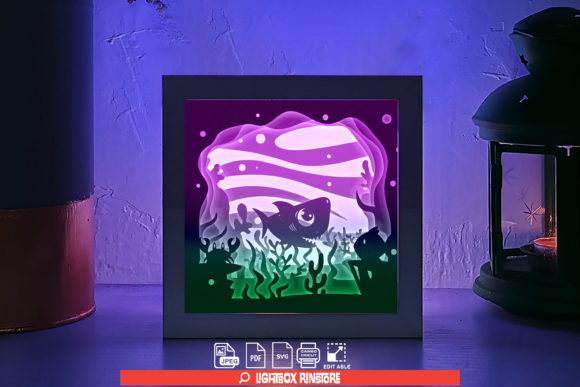
When reviewing the Baby Shark 3D Paper Cut Light Box asset for a recent client project, my primary focus was on structural integrity and visual hierarchy. As a graphic designer working with a boutique children’s party planning business, I needed a centerpiece that bridged the gap between digital marketing visuals and physical event decor. This specific design asset immediately stood out because it understands the mechanics of light and shadow. Unlike flat vector illustrations, this file is engineered specifically for layering, creating genuine depth when backlit. The mood is undeniably playful yet polished, avoiding the chaotic clutter often found in generic character art. For a handmade business or small business branding effort targeting parents, this level of sophistication builds immediate visual trust.
The technical specifications are crucial for professional application. The FILE includes SVG files, PDF files, and JPEG files, which provides necessary versatility across different workflows. Knowing that the SVG and JPG files support Cricut Maker and Silhouette machines gave me confidence in the cutting precision. However, the real test for any creative design asset is how well it translates from screen to substrate. The recommendation for 170g-220g paper is accurate; anything lighter lacks the rigidity required for clean shadow definition, while heavier cardstock might overwhelm delicate internal cuts. When setting up the printer, ensuring "actual size" mode is non-negotiable to maintain the precise registration marks needed for assembly.
Performance Across Digital and Physical Touchpoints
In a real-world commercial design scenario, this asset proved adaptable beyond just shadow boxes. We utilized the layered components as standalone elements for social media graphics and Pinterest pins. The distinct separation of layers allows designers to animate individual elements in Canva templates or video editing software, adding dynamic movement to static posts. For the client’s Etsy product listings, we used the assembled light box as a hero image, which significantly improved click-through rates compared to standard flat photography. The 3D nature of the design creates a tangible value proposition that flat clipart simply cannot achieve.
For print-on-demand sellers and crafters, the versatility extends to merchandise. While primarily a light box design, the bold silhouettes work exceptionally well for sticker design and t-shirt design when simplified. I tested the SVG design on a dark navy tote bag, and the high-contrast layering translated beautifully even without the backlighting effect. This dual functionality makes it a high-value addition to any design bundle. However, designers must be mindful of licensing. Always verify the commercial license terms before incorporating this into products for sale, especially if modifying the original illustration for sublimation design or apparel.
Strategic Placement and Layout Considerations
This graphic design asset performs best when given room to breathe. It excels in large layout areas such as poster backgrounds, invitation covers, and website hero sections. The intricate paper-cut aesthetic demands negative space; crowding it with heavy typography or competing patterns diminishes its impact. In our campaign visuals, we paired the light box with clean sans serif fonts to maintain a modern design aesthetic. Script fonts can work for accent text, but display fonts should be used sparingly to avoid visual competition with the detailed cut lines.
Conversely, there are environments where this asset requires careful handling. It is not suitable for minimalist corporate branding or projects requiring strict visual restraint. The whimsical, textured nature of the paper cut style clashes with sterile professional materials. Additionally, at very small sizes, the fine details of the 3D SVG can become muddy or indistinguishable. I would advise against using this for tiny favicon icons or dense editorial design body text. Readability suffers when the complex layering competes with essential information. Always prioritize clear communication over decorative complexity in functional design elements.
Technical Pre-Flight Checks for Professional Results
Before committing this asset to a final production run, rigorous testing is mandatory. My standard pre-flight checklist for this type of printable design includes several critical steps:
- Contrast Testing: View the design in grayscale to ensure layers remain distinct without color reliance. This is vital for accessibility and black-and-white printing scenarios.
- Scale Verification: Test print at both minimum and maximum intended sizes. Check that the smallest internal cuts do not tear during weeding on cutting machines.
- Mockup Integration: Place the PNG design onto realistic product mockups. Digital rendering often looks cleaner than physical reality; seeing it in context reveals potential alignment issues.
- Font Pairing: Test alongside your chosen brand typography. Ensure the weight of the paper cut lines balances with your font strokes.
- File Integrity: Open the SVG in multiple programs (Illustrator, Inkscape, Cricut Design Space) to confirm node cleanliness and layer organization.
These practical designer notes prevent costly reprints and ensure the final output meets professional standards. For digital sellers offering this as part of a creative marketplace listing, providing these usage tips adds significant value for buyers who may be less experienced with 3D paper crafts.
Impact on Brand Perception and Audience Engagement
Ultimately, the Baby Shark 3D Paper Cut Light Box serves as more than just decoration; it functions as an emotional anchor. In children’s marketing visuals, texture implies care and craftsmanship. Parents associate the tactile quality of paper art with safety, nostalgia, and premium handmade value. This psychological association transfers to the brand itself. When used in packaging design or unboxing experiences, it elevates the perceived worth of the product inside. The interplay of light and shadow creates a sense of wonder that flat digital assets rarely capture.
For content creators and bloggers, this asset offers rich storytelling potential. Documenting the assembly process or showcasing the finished light box in a nursery setting generates authentic engagement. It transforms a standard promotional post into an interactive experience. However, maintaining brand consistency is key. If your existing visual identity is ultra-modern and sleek, introducing a rustic paper-cut element might create dissonance. Ensure the stylistic choice aligns with your broader brand narrative. When executed correctly, this 3D SVG becomes a signature element that distinguishes your creative work in a saturated market.
Final Verdict for Commercial Application
After thorough evaluation, the Baby Shark 3D Paper Cut Light Box proves to be a robust tool for specific niche applications. Its strength lies in its specialized construction for depth and lighting, making it superior to standard flat vectors for shadow box projects and immersive visual campaigns. The inclusion of multiple file formats supports diverse workflows from Cricut projects to digital ad creation. Designers should embrace this asset for themed collections, seasonal launches, and experiential marketing where tactile emotion drives conversion.
Success depends entirely on respecting the medium's limitations. Use it boldly in appropriate contexts, but exercise restraint in formal or space-constrained layouts. By treating this as a specialized instrument rather than a generic clipart solution, professionals can leverage its unique charm to create memorable, high-impact design work that resonates deeply with target audiences. Whether you are building a handmade business portfolio or enhancing a major retail campaign, understanding the nuanced application of this asset ensures it delivers both aesthetic beauty and commercial results.