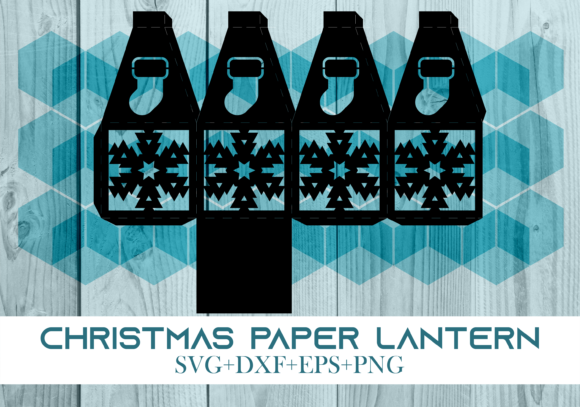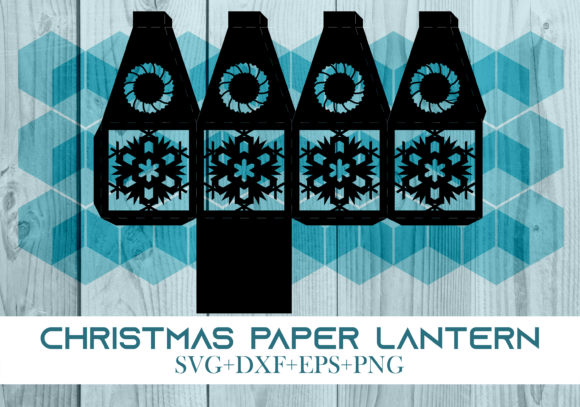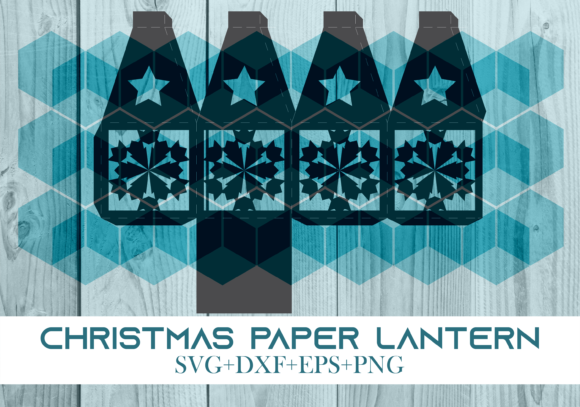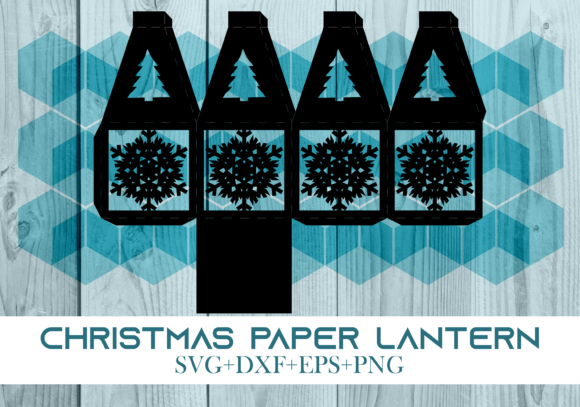
Reviewing Christmas Paper Lantern Series 0043
As a designer who constantly evaluates digital assets for both personal crafting and commercial production, I approach every new file with a specific set of questions. Does this design translate well from screen to substrate? Will it hold up after washing? Does it offer enough visual interest to justify the hoop time? When I first opened Christmas Paper Lantern Series 0043, my immediate focus was on its structural integrity and versatility. While the product description highlights its origin as a 3D SVG designed for an 8.5 x 11.7 sheet for window or shelf decor, my mind immediately went to how these clean lines and geometric folds could be reinterpreted as a machine embroidery design for tangible holiday products.
First Impressions: Structure and Seasonal Mood
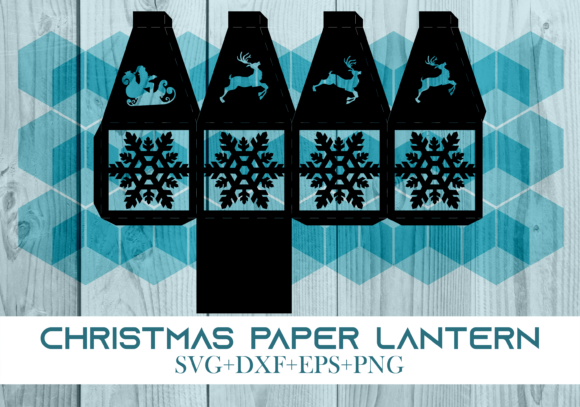
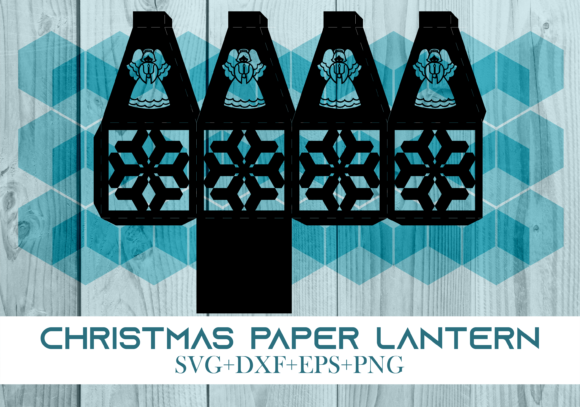
The visual personality of Christmas Paper Lantern Series 0043 is distinctively crisp. Unlike organic, flowing floral holiday designs, this lantern relies on precision. The mood it creates is one of orderly nostalgia and modern tradition. For an embroidery digitizer or a crafter selecting files, this geometry is a double-edged sword. On one hand, the straight lines and defined panels make for excellent registration points. On the other hand, there is no place to hide; if your tension is off or your stabilizer choice is poor, the structure will look warped.
I see this design fitting naturally into projects that require a touch of architectural elegance rather than rustic chaos. It feels appropriate for high-end holiday embroidery where cleanliness equals quality. The layout suggests it would serve beautifully as a central motif on a tote bag design or as a repeating border element on a table runner. Because it originates from a paper craft format, the negative space and fold lines are clearly defined, which often translates to manageable stitch counts and faster run times compared to dense, fully filled illustrations.
Real-World Application: The Custom Tea Towel Test
To truly evaluate this asset, I mentally placed it into a real-life scenario relevant to my small shop product line: a premium linen tea towel intended as a personalized gift or boutique merchandise. Tea towels are a staple for Etsy sellers and craft business owners during the holidays, but they demand designs that balance aesthetic appeal with practical durability.
In this context, Christmas Paper Lantern Series 0043 performs exceptionally well because of its scale and orientation. A lantern motif respects the vertical nature of a hanging towel. If I were stitching this out, I would likely utilize a combination of running stitch for the intricate fold details and light fill stitch for the body to maintain the fabric's drape. Heavy satin stitch borders might make the linen pucker, but the linear nature of this design allows for a lighter touch. For a client requesting custom apparel, such as a sweatshirt embroidery project, this design offers a sophisticated alternative to generic reindeer or snowmen. It reads as "adult" holiday decor, making it suitable for customers who want festive gear without feeling juvenile.
Navigating Fabric Textures and Hoop Limitations
While the design is versatile, it requires careful consideration regarding where it should not be used. The precision that makes Christmas Paper Lantern Series 0043 attractive also makes it unforgiving on certain substrates. I would advise against using this on highly textured fabrics like terry cloth or chunky knits unless you are using a heavy water-soluble topping. The fine lines defining the lantern’s segments can easily get lost in the pile of a plush blanket or a thick winter cap.
Furthermore, consider your hoop size carefully. Although the source file fits a standard letter-sized sheet, scaling it down too small for baby embroidery or tiny patches risks losing the definition of the lantern's ribs. If the gaps between stitch lines become narrower than your needle width, you risk perforating the fabric rather than decorating it. Conversely, stretching it to maximum size on thin cotton voile could lead to distortion if the stitch density isn't adjusted. Always check the specific dimensions of the embroidery file before committing to a project. For stretchy fabrics like jersey knits used in t-shirts, a cut-away stabilizer is non-negotiable here; the geometric lines will show every bit of fabric movement if not properly supported.
Commercial Viability and Customer Perception
For those running a handmade product business or selling digital embroidery files, the perceived value of your finished product hinges on clarity. Christmas Paper Lantern Series 0043 supports a professional brand image because it avoids the cluttered look of poorly digitized art. When a customer sees clean intersections and consistent spacing, they trust the quality of the item. This trust is vital for Etsy sellers and small shop owners competing in a saturated market.
This design also lends itself well to printable mockups and digital product previews. Because the lantern has a recognizable silhouette, it photographs cleanly even in flat lays. If you are creating commercial embroidery assets to sell to other makers, this design serves as an excellent example of how traditional paper craft aesthetics can cross over into textile arts. However, always confirm licensing terms before selling finished items or the digital file itself. Ensure you have the right to use this specific series for commercial embroidery projects, as intellectual property respect is foundational to our community.
Designer Notes for Successful Execution
Before you thread your needle or list this item in your shop, run through this practical checklist to ensure Christmas Paper Lantern Series 0043 delivers the results you expect:
- Test on Scrap Fabric First: Never stitch this directly onto a final product without a test run. The geometric nature means alignment issues are immediately visible. Use a scrap of the exact fabric and stabilizer combination you plan to use.
- Evaluate Thread Color Contrast: This design relies on shadow and light to create the 3D paper effect. Test it in black and white mockups or grayscale stitching to ensure the tonal values read correctly. Low contrast thread colors may flatten the lantern, making it look two-dimensional.
- Check Stitch Density: If you are modifying the file, verify that the density suits your fabric. Linen needs less density than denim. Overly dense areas on this lantern could cause stiffness or needle breaks.
- Stabilizer Selection: Match the stabilizer to the end use. Tear-away might suffice for sturdy canvas tote bags, but woven cottons and apparel generally require cut-away for long-term stability of straight lines.
- Mockup Lighting: When photographing the finished product for your shop, use directional lighting to enhance the dimensional feel of the lantern. Flat, front-on flash photography will wash out the subtle shading stitches that give this design its character.
- Verify File Compatibility: Since this originates as a 3D SVG for paper, ensure you have a properly converted embroidery file format (PES, DST, JEF, etc.) compatible with your machine. Do not assume automatic conversion software will handle the fold lines correctly without manual review.
Final Thoughts on Holiday Versatility
Christmas Paper Lantern Series 0043 represents a thoughtful intersection of paper craft tradition and textile application. It is not merely a decoration; it is a structural design element that demands respect for technique. Whether you are embellishing a nursery pillow cover, creating a unique holiday gift, or expanding your commercial embroidery catalog, this lantern offers a refined aesthetic that stands apart from typical seasonal motifs. By approaching it with the right stabilizers, fabric choices, and attention to detail, you can transform a digital paper pattern into a lasting piece of stitched art that resonates with customers and recipients alike. Remember, the success of any embroidery project lies not just in the beauty of the design, but in the intentionality of its execution.