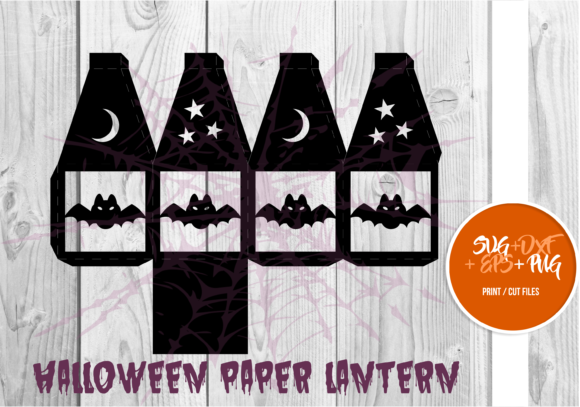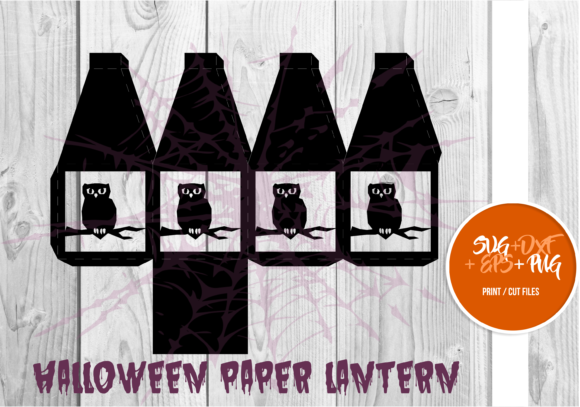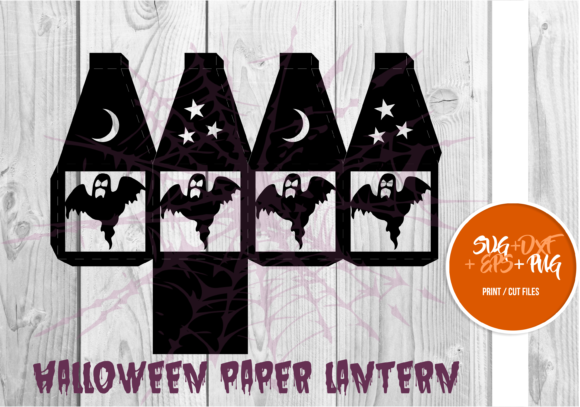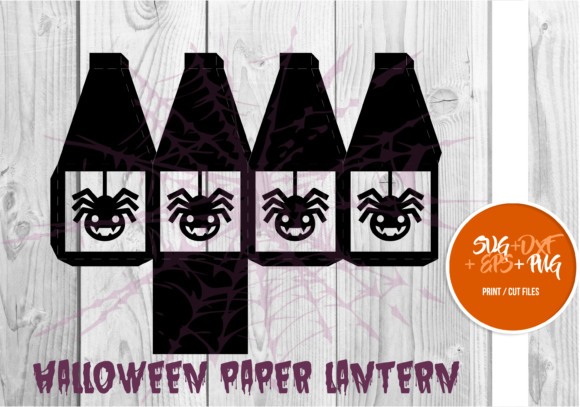
Halloween Paper Lantern Series 014: A Designer’s Review
As a professional embroidery digitizer and product reviewer, I approach every new design asset with a critical eye. When evaluating the Halloween Paper Lantern Series 014, my first thought wasn't just about its aesthetic appeal as a digital graphic, but how it translates from screen to stitch. While this product is categorized under Shapes and listed as a 3D SVG intended for paper crafting on an 8.5 x 11.7 sheet, experienced makers know that versatile vector assets often hold hidden potential for textile applications. However, bridging the gap between a paper lantern template and a viable machine embroidery design requires careful analysis of structure, density, and end-use functionality.
First Impressions and Visual Mood
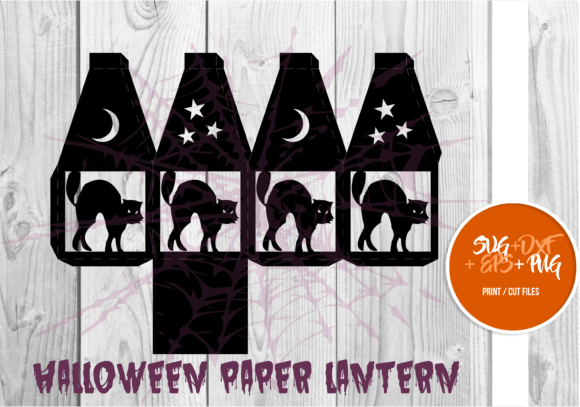
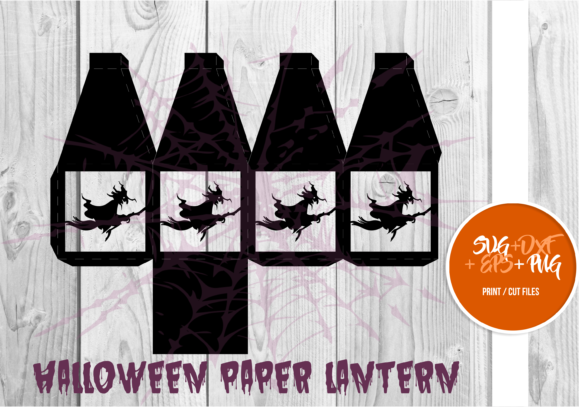
The Halloween Paper Lantern Series 014 immediately evokes a sense of nostalgic, whimsical spookiness. Unlike aggressive or gore-heavy Halloween motifs, this design leans into the cozy, vintage side of the holiday. The silhouette suggests intricate cutwork and geometric balance, which are hallmarks of traditional paper lanterns. For an Etsy seller or craft business owner, this mood is commercially valuable because it appeals to a broader demographic, including those who prefer "cute spooky" over horror.
From a technical design perspective, the lines appear clean and deliberate. In the world of digital embroidery files, clean vectors are gold. They suggest that if this were converted into stitches, the pathing would likely be logical, reducing unnecessary trims and jumps. The visual personality feels lightweight and airy, which is crucial when considering fabric texture. A heavy, dense interpretation of this lantern would ruin the delicate vibe; therefore, any adaptation must prioritize negative space and fine line work to maintain the original charm.
Real-World Application: The Custom Tote Bag Test
To truly evaluate this asset, I mentally placed it into a real-life production scenario: creating a limited-edition autumn market tote bag. Canvas totes are a staple handmade product, but they present specific challenges due to their coarse weave and lack of stretch.
In this scenario, I envision using the Halloween Paper Lantern Series 014 not as a solid fill, but as a guide for a redwork or sashiko-style running stitch. Because the original file is designed for paper cutting, the continuous lines are perfect for tracing with thread. On a natural canvas tote bag design, a single-weight thread in charcoal or rust orange would allow the lantern to look hand-stitched rather than mass-produced. This approach respects the source material's delicacy while ensuring the finished product remains soft and pliable. Customers at a craft fair are more likely to purchase a bag that feels artisanal and lightweight rather than one with a stiff, bulletproof patch of dense satin stitches.
Alternatively, for sweatshirt embroidery, this design serves as an excellent centerpiece for a fleece crewneck. Fleece has pile, which can swallow thin lines. Here, I would advise adapting the SVG into an applique design. Using the lantern shape as a cutting template for a contrasting cotton fabric, secured with a narrow satin border, would make the design pop against the textured sweatshirt material without adding excessive stitch density. This method preserves the 3D illusion inherent in the "Paper Lantern" concept while making it durable enough for apparel.
Navigating Technical Limitations and Fabric Choices
While the versatility of Halloween Paper Lantern Series 014 is appealing, there are distinct environments where caution is necessary. As a reviewer, I must highlight where this design might fail if not adapted correctly.
- Small Hoop Sizes: If you attempt to shrink this lantern down for a 4x4 hoop or a baby onesie, the intricate internal details typical of paper lanterns will become mud. The minimum safe size depends entirely on your conversion method. Always verify dimensions before stitching.
- Stretchy Fabrics: On knits or performance wear, complex geometric shapes can distort. Without proper stabilizer and potentially a basting box, the lantern could skew during stitching, losing its symmetry.
- Dark Fabrics: Paper lantern designs rely on light passing through them. On black or navy fabric, this effect is lost unless you use light-colored threads or add a background element. Test thread colors rigorously; what looks good in a printable mockup may lack contrast on dark cloth.
- Frequent Washing: If used on kitchen towels or baby items, ensure the stitch type is secure. Running stitches derived from paper templates can snag. For high-wear items, consider doubling the stitch pass or converting key structural lines to a narrow zigzag.
Impact on Product Value and Brand Perception
Using a recognizable, well-executed motif like Halloween Paper Lantern Series 014 signals professionalism. In the saturated market of holiday embroidery, buyers are fatigued by generic clip art. A design rooted in traditional paper craft aesthetics offers a unique selling proposition. It tells a story of heritage and craftsmanship, even when executed by machine.
For small shop products, consistency is key. This lantern series implies there are other variations available, allowing you to build a cohesive collection across different mediums—perhaps matching window clings (using the original paper intent) with embroidered napkins. This cross-medium consistency builds brand recognition and trust. When customers see that your design assets are curated with intention, they perceive higher value in your personalized gifts and boutique merchandise.
Essential Notes for the Embroidery Professional
Before you load this file into your software or machine, please heed these practical warnings. The product description specifies this is a 3D SVG for 8.5 x 11.7 paper. It does not explicitly state it is a pre-digitized embroidery file. This distinction is vital for commercial embroidery compliance and technical success.
- Verify File Compatibility: Confirm whether you are receiving a raw vector for digitizing or a ready-to-stitch format. Do not assume machine compatibility without checking.
- Licensing Check: Before selling finished items or digital derivatives, review the license terms. Ensure you have commercial rights for both physical products and potential digital adaptations.
- Test Stitch Mandatory: Never run a new design on a final product first. Stitch out Halloween Paper Lantern Series 014 on scrap fabric similar to your project base. Inspect registration, tension, and detail clarity.
- Density Audit: If digitizing from the SVG yourself, keep stitch counts low. Paper lanterns are ethereal; your embroidery should be too. Avoid automatic auto-digitizing features that create heavy fills.
- Mockup Validation: Create black and white mockups to test value contrast independent of color. If the design doesn't read clearly in grayscale, it won't stitch clearly.
Ultimately, Halloween Paper Lantern Series 014 represents a beautiful intersection of digital craft and textile potential. Whether used strictly as intended for window decor or reimagined as a stunning embroidered patch or apparel accent, it carries a distinct seasonal elegance. By approaching it with technical respect and creative foresight, makers can transform this digital shape into a tangible piece of holiday magic that resonates with customers and celebrates the art of making.