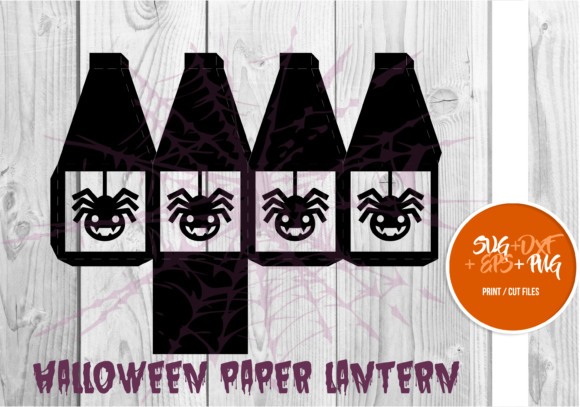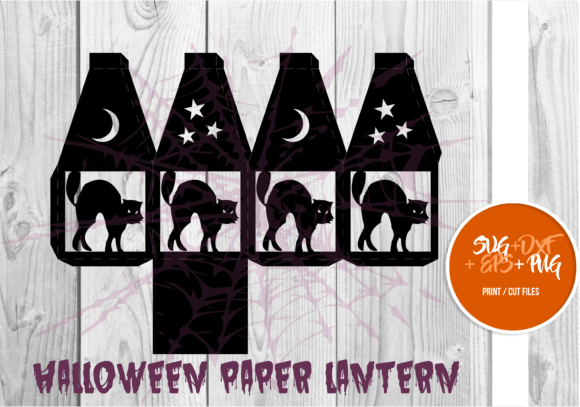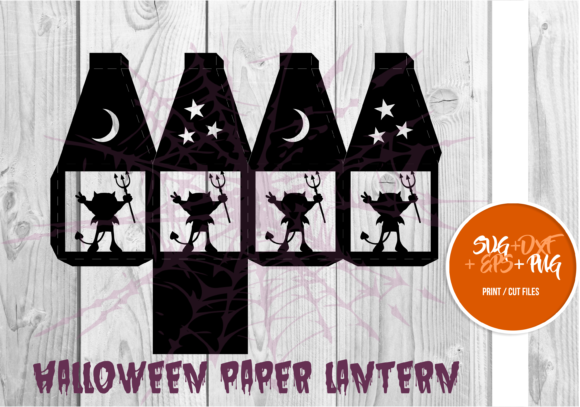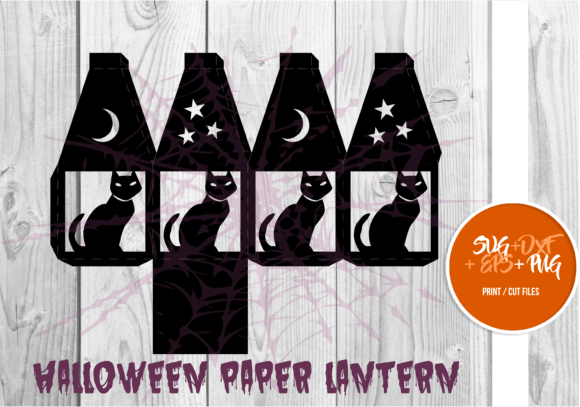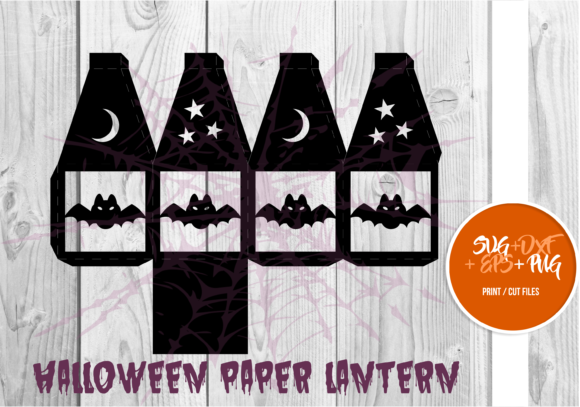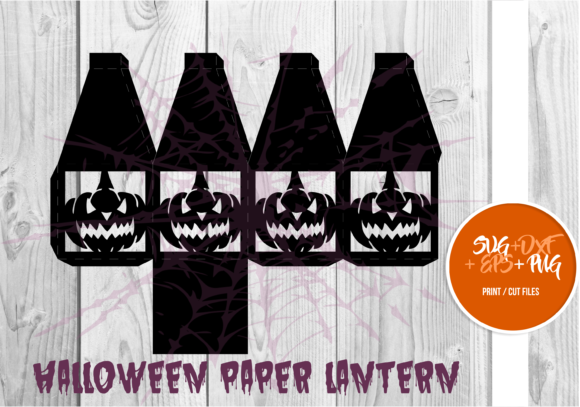
Halloween Paper Lantern Series 004: A Maker’s Review
As a designer who constantly balances aesthetic appeal with production reality, I approach every new asset with a critical eye. When evaluating the Halloween Paper Lantern Series 004, my first thought wasn't just about how pretty it looks on a screen, but how it translates into a tangible, sellable product. This design is categorized under Shapes and provided as a 3D SVG, which immediately signals versatility for both digital cutting machines and embroidery digitizing software. However, for those of us in the embroidery space, the true test lies in stitch definition and fabric compatibility. My initial impression is that this lantern carries a nostalgic, whimsical mood that avoids being overly spooky, making it an excellent candidate for family-friendly holiday merchandise and sophisticated home decor.
Translating Vector Shapes to Stitched Reality
The transition from a crisp 3D SVG to a machine embroidery design requires careful interpretation. Because this file originates as a vector shape intended for an 8.5 x 11.7 sheet, the lines are mathematically perfect. For an embroiderer, this is a double-edged sword. While clean lines make for easier digitizing or tracing, they lack the organic texture of hand-drawn art. When I visualize this on a custom sweatshirt or a linen tea towel, I see the need to soften those hard vector edges. If you are using this as a base for an applique design, the precise geometry is a blessing; your placement lines will be accurate, and your satin stitch borders will have a solid foundation to anchor into.
However, if you are converting this directly into fill stitches, you must consider stitch density. The intricate cutouts typical of paper lantern designs can become problematic if the stitch count is too high in small areas. In my experience testing similar geometric holiday motifs, reducing density in the inner lattice work prevents puckering on lighter fabrics. The visual personality of Halloween Paper Lantern Series 004 relies on negative space; preserving that openness in thread form is what separates a professional finished product from a stiff, bulletproof patch.
Real-World Application: The Boutique Tote Bag Test
To truly judge the commercial viability of this design, I mentally placed it in a specific scenario: creating a limited-run autumn tote bag for a local craft fair. Tote bags are a staple for any Etsy seller or small shop product line because they offer a large canvas and high perceived value. For this project, I envisioned the lantern centered on natural canvas, utilizing a warm amber thread for the main body and a matte black for the structural ribs.
In this context, Halloween Paper Lantern Series 004 performs exceptionally well as a focal point. The size flexibility of the source file means I can scale it to fit a 5x7 hoop without losing detail, which is ideal for tote bag design. Customers respond to items that feel curated rather than generic. Because this lantern has a distinct architectural quality, it elevates a simple canvas bag into a piece of seasonal art. I can easily see this working for personalized gifts where a name is arched above or below the lantern in a complementary serif font. The balance between the detailed shape and the open fabric background creates a breathable, high-end look that justifies a higher price point in a boutique setting.
Navigating Fabric Textures and Hoop Limitations
While the design is versatile, it demands respect for material constraints. As an experienced reviewer, I must caution against using highly detailed versions of this lantern on unstable substrates. If you are attempting sweatshirt embroidery on heavy fleece, the intricate internal cuts of the lantern may get lost in the pile. In such cases, simplifying the design or using a tear-away topping is non-negotiable. Conversely, for baby embroidery on thin cotton jersey, the concern shifts to stabilization. A complex shape like this can distort stretchy fabric if the stabilizer choice is inadequate. I recommend a medium-weight cutaway for garments to maintain the lantern's geometric integrity after washing.
Dark fabrics present another challenge. Halloween Paper Lantern Series 004 likely relies on contrast to show its depth. On black or navy apparel, you cannot rely on the fabric showing through the "cutout" sections of the lantern. You would need to stitch a background layer or use reverse applique techniques to replicate the paper lantern effect. Always test your thread colors against the specific garment before running a full production batch. What looks glowing on a white monitor can appear muddy on charcoal cotton. For commercial embroidery businesses fulfilling bulk orders, this extra sampling step saves costly reworks and protects your reputation.
Professional Presentation and Business Value
Beyond the stitching itself, this asset serves a dual purpose for creative entrepreneurs. Since it is supplied as a 3D SVG designed for standard paper sheets, it is inherently useful for creating physical prototypes. Before committing to a time-consuming embroidery project, I often cut the design from cardstock to create a printable mockup. Holding a physical paper version helps me gauge scale and proportion on a shirt or pillow cover far better than a digital preview. This tactile planning phase is crucial for design assets management and ensures the final stitched size feels intentional.
For digital product sellers, the clean lines of this series allow for easy recoloring in vector software before digitizing. This means you can offer multiple colorway variations—perhaps a vintage sepia tone for farmhouse decor or bright neon for modern apparel—from a single master file. Consistency across these variations builds brand recognition. When customers see that your holiday embroidery collection shares a cohesive style, trust increases. Whether you are selling the digital embroidery file itself or the handmade item, professionalism lies in these details. Just remember to verify the specific licensing terms included with your download to ensure you are cleared for both personal crafting and commercial sale of finished goods.
Critical Pre-Stitch Checklist for Makers
Before you load Halloween Paper Lantern Series 004 into your machine or list it in your shop, run through this practical evaluation:
- Verify Dimensions: Confirm the design fits your specific hoop size after any necessary resizing for embroidery; do not assume the 8.5 x 11.7 paper dimensions translate directly to stitch area limits.
- Check Licensing: Review the included documentation to confirm permissions for selling finished products or modified digital files.
- Test Stitch Density: Run a sample on scrap fabric identical to your final project to check for puckering or gaps in the lattice work.
- Evaluate Contrast: Ensure the design reads clearly on your chosen fabric color; adjust thread values if the lantern blends into the background.
- Stabilizer Selection: Match your backing to the fabric weight and design complexity to prevent distortion during stitching.
- Mockup Validation: Use the SVG to create a paper template or digital overlay to visualize placement before hooping expensive blanks.
Ultimately, Halloween Paper Lantern Series 004 is a strong contender for makers who value structure and nostalgia. It bridges the gap between digital crafting and textile art beautifully, provided you apply technical diligence. By treating this shape not just as a graphic but as a blueprint for thread, you can create custom apparel and decor that stands out in a crowded marketplace. Take the time to understand its geometry, respect your materials, and let the design’s inherent charm shine through your craftsmanship.