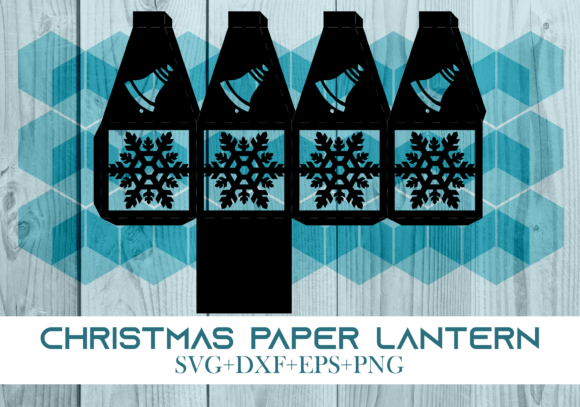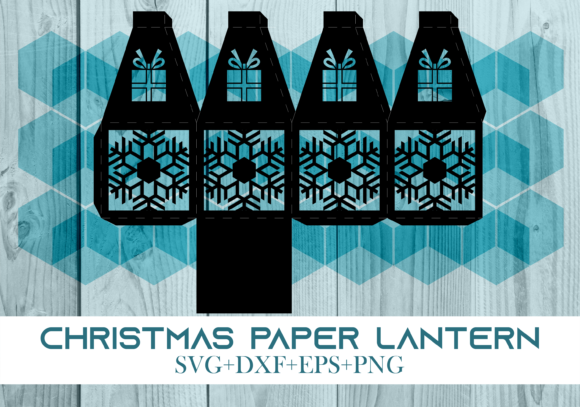
Christmas Paper Lantern Series 0499 Design Review
As a designer who constantly evaluates digital assets for both personal crafting and commercial production, I approach every new file with a specific question: will this translate beautifully from screen to physical product? When reviewing the Christmas Paper Lantern Series 0499, my immediate focus was on its versatility as a hybrid asset. While primarily marketed as a 3D SVG for paper crafting, the structural lines and aesthetic balance of this lantern design offer significant potential for machine embroidery adaptation. For Etsy sellers, small shop owners, and makers looking to expand their holiday inventory, understanding how this geometric form behaves in thread is just as important as its paper assembly.
First Impressions and Seasonal Atmosphere
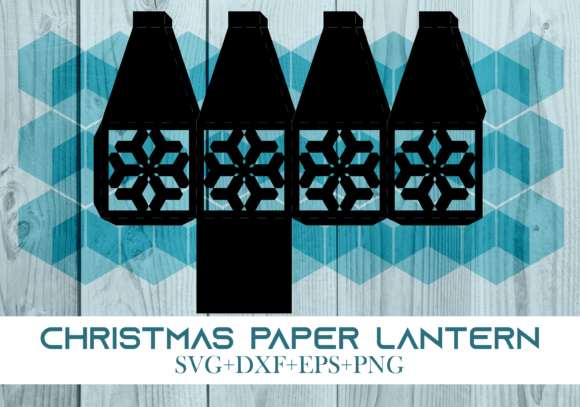
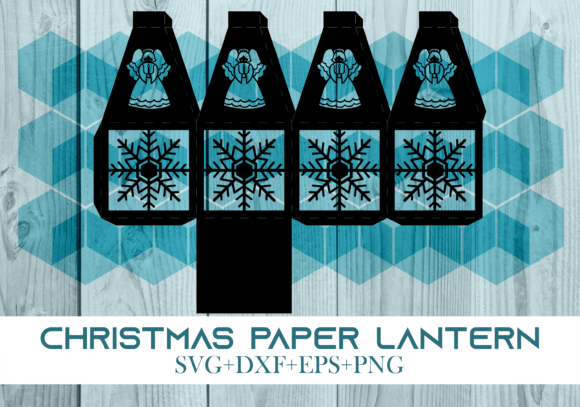
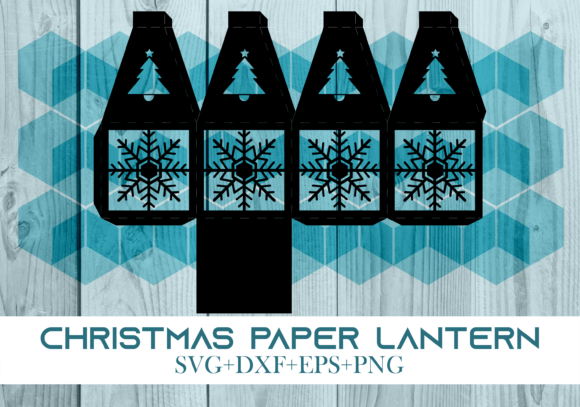
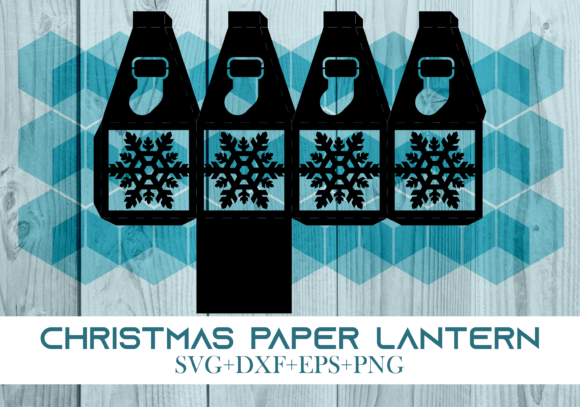
The visual personality of Christmas Paper Lantern Series 0499 is distinctly elegant yet accessible. It avoids the cluttered chaos that plagues many holiday designs, opting instead for clean architectural lines that evoke traditional craftsmanship. The mood is warm and nostalgic, making it an excellent candidate for heirloom-quality projects rather than fast-fashion novelty items. As a reviewer, I appreciate that the silhouette is balanced; the proportions are neither too squat nor too elongated, which is critical when translating a 2D or 3D vector concept into a stitch file. This balance ensures the design remains recognizable whether it is rendered in ink, cut paper, or satin stitches.
For creative entrepreneurs, this design signals professionalism. It does not look like a generic clip-art trace but rather a deliberate composition. When used in a handmade product lineup, it elevates the perceived value of the entire collection. The lantern motif naturally suggests illumination and gathering, themes that resonate deeply with customers seeking meaningful personalized gifts during the holiday season.
Real-World Application: The Holiday Tote Bag Test
To truly evaluate the utility of Christmas Paper Lantern Series 0499, I mentally placed it in a real-life production scenario: creating a premium canvas tote bag for a boutique holiday market. Tote bags are a staple for craft businesses because they serve as both merchandise and walking advertising. However, canvas has a distinct fabric texture that can swallow fine details.
In this application, the lantern’s structural integrity is its greatest asset. If adapting this design for embroidery, the bold outer framework would likely utilize a sturdy satin stitch or a dense fill stitch to anchor the image against the woven canvas. I envision pairing this lantern with minimal text, perhaps a family name or a simple "Joy," positioned below the lantern base. The negative space within the lantern panels is where the magic happens; rather than filling every section with heavy thread, leaving some areas open or using lighter running stitches allows the fabric texture to breathe. This prevents the embroidered patch area from becoming bulletproof and stiff, maintaining the drape and usability of the bag.
From a sales perspective, this specific application targets the customer looking for sustainable, reusable holiday decor. A tote featuring Christmas Paper Lantern Series 0499 feels like a curated boutique item rather than a mass-produced accessory. For Etsy sellers, photographing this finished product in natural light, perhaps with greenery spilling out of the bag, creates a printable mockup that drives engagement and communicates the tactile quality of the embroidery.
Navigating Fabric Constraints and Technical Limits
While the design is visually appealing, practical execution requires caution. Not every substrate is suitable for the intricate nature of a lantern motif. I strongly advise against using this design on highly stretchy fabrics like lightweight jersey knits without extensive testing. The geometric precision of the lantern relies on straight lines and sharp corners; if the fabric distorts during hooping or stitching, the lantern will look warped, undermining the professional finish required for commercial embroidery.
Similarly, textured fabrics like terry cloth or plush fleece present challenges. The fine internal details of the lantern risers could get lost in the pile. If you intend to use this for baby embroidery or nursery decor on blankets, consider simplifying the design or using a tear-away topping to keep the stitches crisp. Dark fabrics also demand careful consideration. A lantern implies light, so stitching it in dark threads on black fabric defeats the purpose. High-contrast thread colors are non-negotiable here to maintain visual clarity.
Hoop size is another critical factor. Although the original specifications note the design fits an 8.5 x 11.7 sheet for paper assembly, embroidery machines have different field limits. Always confirm your hoop size compatibility before purchasing or digitizing. Scaling a complex geometric design down to fit a 4x4 hoop often results in stitch density issues or loss of detail. Conversely, scaling it up too large for a single hoop may require splitting the design, which introduces alignment risks that can ruin a finished product.
Enhancing Brand Value Through Thoughtful Execution
Using Christmas Paper Lantern Series 0499 effectively goes beyond mere stitching; it is about brand consistency. For small business owners, this design offers a cohesive theme that can span multiple product categories. Imagine offering a matching set: a paper lantern kit for DIY enthusiasts alongside an embroidered sweatshirt featuring the same motif. This cross-pollination of digital and physical products maximizes the return on your design assets.
The visual appeal of this lantern directly impacts buyer trust. Clean registration, appropriate stabilizer usage, and thoughtful color choices signal to the customer that you care about quality. When a customer sees a well-executed version of this lantern on a custom apparel piece or a tea towel, they recognize the effort involved. This recognition translates to higher price points and repeat business. Furthermore, because the design is rooted in a classic holiday symbol rather than a trending meme, it possesses longevity. It is an asset that can remain in your shop’s rotation for years without feeling dated.
Essential Designer Notes for Production Success
Before launching any project featuring Christmas Paper Lantern Series 0499, adhere to these practical guidelines to ensure success:
- Test on Scrap Fabric First: Never run a new design directly on a sellable item. Stitch out a sample on the exact fabric and stabilizer combination you plan to use. Check for puckering, registration errors, and thread breaks.
- Verify Licensing and Formats: Since this is originally a 3D SVG, ensure you have the correct commercial license for embroidery use if you are selling finished goods. Confirm whether you are receiving a pre-digitized embroidery file or if you must digitize the SVG yourself. Do not assume file formats or stitch counts without verification.
- Evaluate Stitch Density: If digitizing from the SVG, adjust density based on fabric weight. Lightweight fabrics require lighter fills to prevent tearing, while heavier materials need denser coverage to prevent the fabric from showing through.
- Check Thread Color Contrast: Test your color palette in both natural and artificial lighting. Holiday markets often have mixed lighting conditions; ensure the lantern pops in dim environments as well as bright ones.
- Mockup Realistically: When creating listings, use realistic mockups that show the design at actual scale. Avoid stretching or warping the design in digital previews, as this leads to customer disappointment upon receipt of the physical item.
- Stabilizer Selection: Use the appropriate stabilizer for the project type. Cut-away backing is generally best for apparel and stretchy items to maintain the lantern's shape over time, while tear-away may suffice for stable woven home decor items.
Ultimately, Christmas Paper Lantern Series 0499 represents a beautiful intersection of digital design and traditional holiday warmth. Whether you are adapting it for embroidery, using it as a standalone paper craft, or combining both mediums, success lies in respecting the technical requirements of your chosen medium. By approaching this design with a critical, maker-focused eye, you transform a simple digital download into a tangible, profitable, and cherished holiday creation.