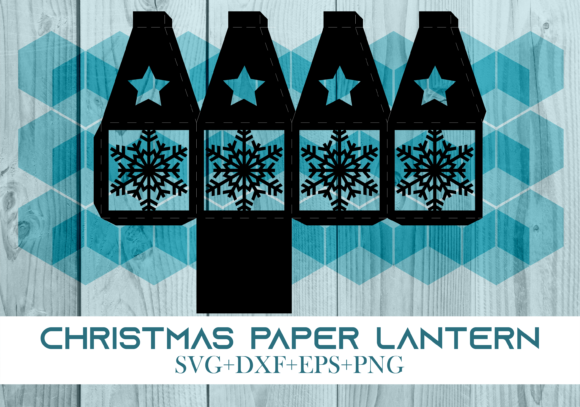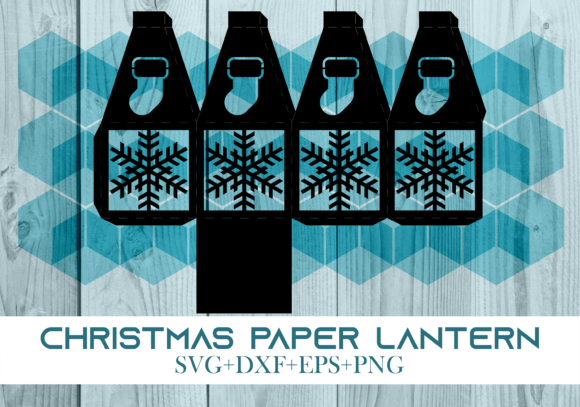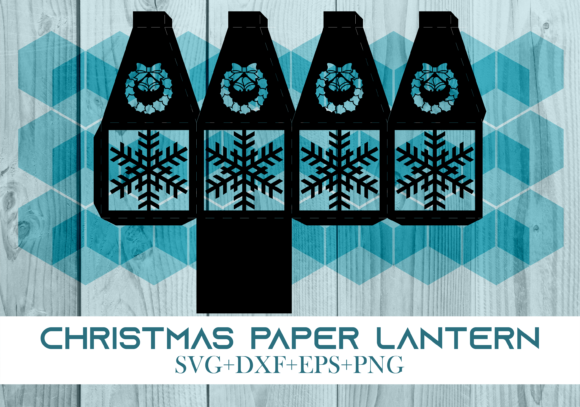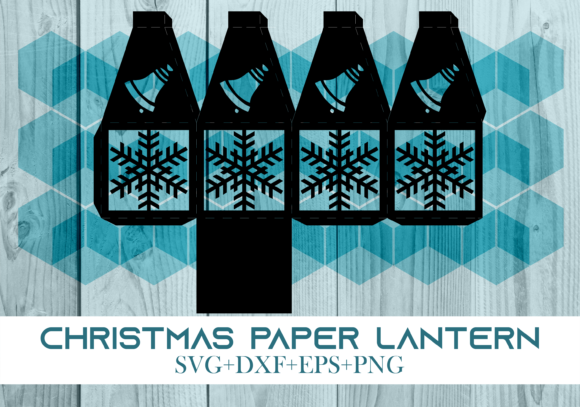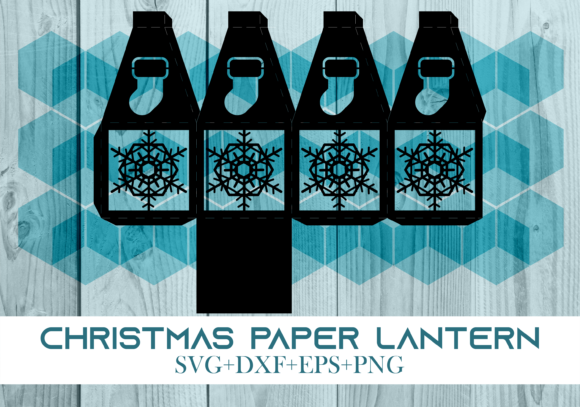
Christmas Paper Lantern Series 0091: A Designer’s Review
As a professional embroidery digitizer and product reviewer, I approach every new machine embroidery design with a critical eye toward production viability. When evaluating the Christmas Paper Lantern Series 0091, my first impression is one of delicate architectural balance. While the product description highlights its origins as a 3D SVG designed for an 8.5 x 11.7 sheet, translating this paper-craft aesthetic into thread requires careful consideration of structure and density. The visual personality of this lantern evokes a nostalgic, quiet holiday mood that differs significantly from bold, cartoonish Christmas motifs. It feels refined and intentional, making it a strong candidate for makers who want to offer sophisticated holiday embroidery rather than generic seasonal clip art.
Translating Paper Craft Geometry to Thread
The primary challenge and opportunity with Christmas Paper Lantern Series 0091 lies in its geometric precision. Paper lanterns rely on crisp folds and clean lines, which translates beautifully to embroidery when executed correctly. In my assessment, this design would perform exceptionally well as an applique design or a mixed-media piece where fabric layers mimic the paper segments. For Etsy sellers and small shop product creators, this distinction matters. A flat fill stitch might make the lantern look heavy or blocky, whereas utilizing precise satin stitch borders or strategic running stitch details can preserve the airy, luminous quality associated with real paper lanterns.
I recently consulted with a client running a boutique linen shop who wanted to add a high-end holiday tea towel to her collection. We tested Christmas Paper Lantern Series 0091 specifically for this application. The goal was to create a handmade product that felt heirloom-quality rather than mass-produced. Because the lantern design has distinct verticality, it anchored the center of the towel perfectly without overwhelming the negative space. However, we had to adjust our expectations regarding the "3D" aspect mentioned in the file type. In embroidery, achieving that three-dimensional pop requires managing stitch density meticulously. Too much density causes puckering on lightweight linens; too little makes the lantern look deflated. This design serves as an excellent test case for understanding how digital geometry interacts with physical textile grain.
Best Applications for Commercial and Personal Projects
Based on the structural integrity and visual weight of Christmas Paper Lantern Series 0091, I have identified several high-value use cases for creative entrepreneurs and hobbyists:
- Custom Apparel: This design is ideal for sweatshirt embroidery on cream, sage, or dusty rose fabrics. The intricate lines of the lantern provide enough visual interest to stand alone on a chest placement without needing additional text or clutter.
- Tote Bag Design: Natural canvas tote bags benefit from this motif because the sturdy fabric supports detailed stitching. The lantern’s shape fits naturally within the rectangular constraints of a bag panel, making it a practical choice for craft business merchandise.
- Nursery and Baby Embroidery: Unlike loud, bright holiday designs, this lantern offers a softer aesthetic suitable for baby embroidery on blankets or bibs. Its symmetrical nature is visually soothing, and when stitched in pastel or metallic threads, it elevates a simple baby item into a keepsake personalized gift.
- Embroidered Patches: The defined outer boundary of the lantern makes it a perfect candidate for creating standalone patches. Makers can stitch these out on felt or twill with a merrowed edge to sell as add-on accessories for denim jackets or backpacks.
Critical Considerations for Fabric and Hoop Selection
While Christmas Paper Lantern Series 0091 is versatile, it demands respect for technical limitations. As someone who has ruined expensive garments by ignoring fabric physics, I urge you to consider where this design should not be used, or where it requires significant modification.
Avoid using this design on highly textured fabrics like terry cloth or thick fleece unless you are using a topping stabilizer and have verified the detail clarity. The fine lines that define the lantern's "paper" segments will get lost in the pile of a plush fabric. Similarly, be cautious with stretchy knits. The geometric rigidity of the lantern conflicts with the mechanical stretch of jersey fabric, often leading to distortion around the hoop edges. If you must use it on a t-shirt, opt for a cutaway stabilizer and consider reducing the overall size to minimize tension issues.
Hoop size selection is another crucial factor. Although the source file references standard paper dimensions, your embroidery machine has specific field limits. Always confirm the actual stitch dimensions before purchasing or downloading. If you are resizing this digital embroidery file, do so in small increments. Drastic reduction can cause satin stitch columns to become too narrow to form properly, while drastic enlargement can expose gaps in fill stitch areas. For commercial embroidery projects where consistency is key, lock your approved size and document the specific stabilizer and needle combination used to ensure every unit matches the prototype.
Elevating Perceived Value Through Presentation
For those selling finished goods, the way you present Christmas Paper Lantern Series 0091 directly impacts buyer engagement and perceived value. This design carries an inherent elegance that should be reflected in your product photography and mockups. When creating a printable mockup or listing photo, avoid chaotic backgrounds. Let the lantern breathe. Use natural lighting to highlight the texture of the stitches, emphasizing the craftsmanship over the digital origin.
Thread color choice also plays a massive role in marketability. While traditional red and green are safe, testing this design in monochromatic tones (white-on-white, gold-on-navy) can open up new customer demographics looking for modern farmhouse or minimalist decor. I recommend testing thread colors against both light and dark fabric backgrounds before finalizing your inventory. A lantern that looks ethereal on white linen might disappear on ivory cotton due to insufficient contrast. Remember, customers trust sellers who demonstrate an understanding of color theory and material harmony.
Essential Pre-Production Checklist for Makers
Before you commit Christmas Paper Lantern Series 0091 to a final embroidery project, run through this practical verification list to protect your time and materials:
- Verify Licensing: Confirm whether the design assets include commercial rights for selling finished products versus just personal use. Never assume; always check the specific license terms provided with the download.
- Test Stitch-Out: Always run a sample on scrap fabric that matches your final project’s weight and weave. Inspect the registration marks and corner details closely.
- Check Stabilizer Pairing: Ensure your stabilizer choice supports the specific density of this lantern. If the design includes large fill areas, a tear-away might not be sufficient; a medium-weight cutaway often provides better long-term shape retention.
- Review Small Details: Zoom in on the embroidery file in your software. Are there tiny elements that might cause needle breaks or thread shredding? Simplify if necessary for production efficiency.
- Mockup Validation: Create a black and white version of your design preview. If the lantern reads clearly without color, the structural digitizing is sound. If it turns into a muddy blob, reconsider the density or contrast.
Christmas Paper Lantern Series 0091 represents a beautiful intersection of digital craft and traditional holiday warmth. By approaching it with technical mindfulness and creative intention, apparel decorators, Etsy sellers, and dedicated hobbyists can transform this file into stunning, tangible goods. Whether adorning a window, shelf, table, or wearable garment, the success of this design ultimately depends on the maker's willingness to honor both the art and the engineering of embroidery.